
2026-10-17 ·
How to Check a Roof for Hail and Wind Damage in Conway, AR
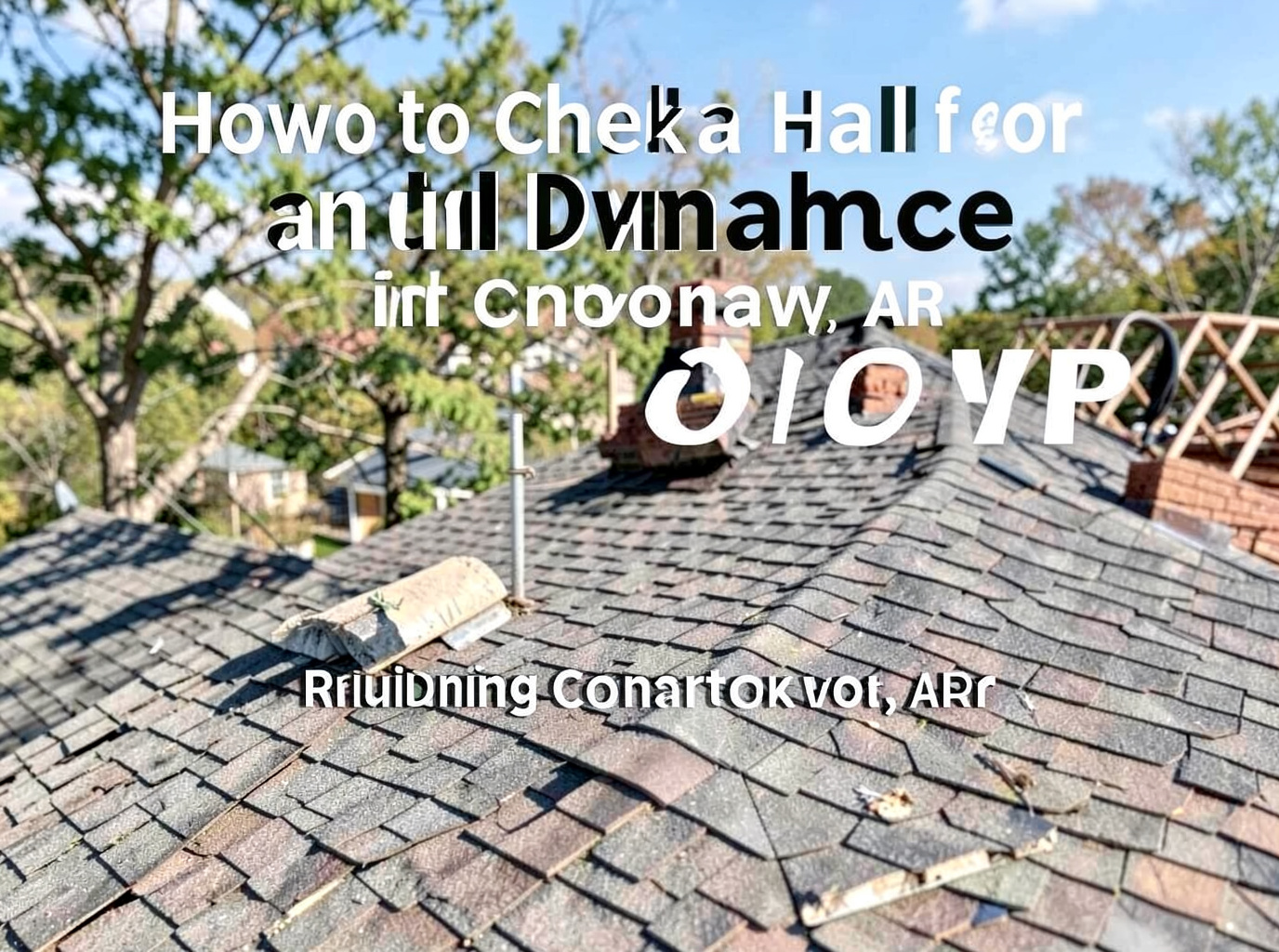
Start by walking around the exterior and using binoculars to scan the roof surface for hail dents on asphalt shingles and missing or torn tabs from wind, particularly after spring and summer storms that roll through Faulkner County from Little Rock and Jacksonville.
Spotting Hail Damage on Local Roofs
Hail strikes often leave round dents in shingles and strip away protective granules, exposing the mat underneath. In Conway's humid subtropical climate with hot summers, this exposure speeds up blistering and cracking on homes built before 2000 in Downtown Conway and around Conway City Hall. Check gutters for accumulated granules after any thunderstorm. Look for cracked or crushed ridge caps on one-story ranch houses common in Cadron. Pay extra attention to south-facing slopes where hail driven by prevailing winds concentrates damage. Older composition roofs in these neighborhoods show granule loss faster than newer laminated shingles because the original coating is thinner. If you see circular soft spots when pressing on the surface, mark those areas for closer review from a ladder on stable ground.
Identifying Wind Damage Around Conway Neighborhoods
High winds tear shingles at the edges and lift flashing around chimneys and vents. Homes near Toad Suck Park and Lake Conway face stronger gusts because open water gives storms an unobstructed path. Inspect the north and west sides first, as those receive the brunt during typical frontal passages. Look for creased shingles that no longer lie flat and exposed nail heads where tabs have pulled away. In West Conway, where newer subdivisions sit on slightly higher ground, wind can also loosen ridge vent covers. Check for daylight visible from the attic through the decking after strong events. Mild winters here mean freeze-thaw cycles rarely mask wind damage, so any lifted material stays visible year-round.
Using Attic and Interior Checks After Storms
Enter the attic with a bright flashlight and look for water stains on rafters or decking directly under suspected roof damage. In older homes near Hendrix College campus, original ventilation often allows more air movement that carries moisture farther before it shows on ceilings. Feel for soft plywood or felt paper that has delaminated. Note any daylight coming through nail holes or gaps around plumbing vents. These interior signs confirm exterior findings and help prioritize which slopes need attention first. Keep a simple notebook to record locations by compass direction so you can compare before and after the next weather system moves through the area.
Knowing When Professional Inspection Makes Sense
If granule loss covers more than a few square feet or multiple tabs are missing along eaves, schedule an evaluation rather than attempting repairs from a ladder. Homeowners in Central Conway and the UCA District often combine this check with hail damage roof repair or wind damage roof repair when patterns repeat across several homes on the same block. Review the steps in Emergency Roof Tarping: Steps to Take After a Storm in Conway, AR if active leaks appear before the next rain. Compare findings with the guidance in Roof Leaks, Flashing, and Gutters: Common Repair Issues in Conway, AR to decide whether flashing work or full slope attention is required. Our team at Roofing Contractor Conway operates Monday through Friday 8am–6pm and Saturday 9am–2pm from our base in Conway, AR, and provides upfront assessments focused on the actual conditions found on each roof.